
Best pots for slow cooking: Cast Iron vs. Copper
Cooking a perfect ragu or a roast that melts in your mouth is not just a matter of ingredients; it is a matter of heat. In traditional Italian cooking, heat management is fundamental to the success of a dish. To achieve that velvety result typical of traditional recipes, you must choose the right tool. Today, we will explore the two giants of slow-cooking: cast iron and copper, to understand which to choose and how to use them best.
The Charm and Power of Cast Iron
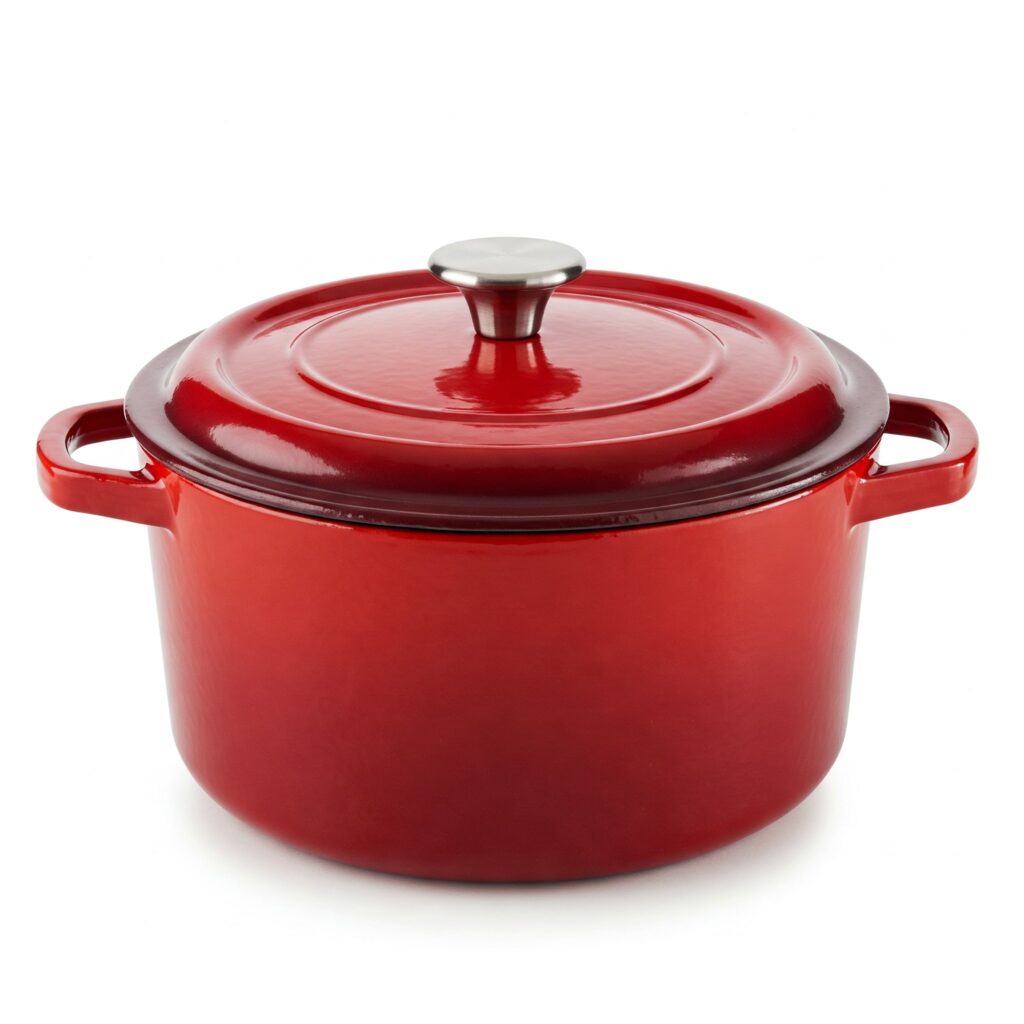
Cast iron is the undisputed queen of heat retention. A high-quality cast iron pot, preferably enameled (like a Dutch Oven), distributes heat extremely evenly. Once heated, it maintains a constant temperature for hours, which is indispensable for dishes that require a slow, steady simmer for a long time, such as ragu. The secret of cast iron lies in its thick walls that prevent temperature fluctuations, making it an unsurpassed tool for long cooking both in the oven and on the stovetop. However, it is important to pay attention: thin cast iron, typical of low-quality products, can create hot spots that risk burning the bottom of your sauce.
The Nobility and Precision of Copper

Copper is the preferred material of chefs and lovers of the purest tradition. Unlike cast iron, copper is an exceptional and immediate conductor of heat. This means it responds instantly to every minor adjustment of the flame. In a copper pot, the heat does not only come from the bottom but evenly envelops the ingredients along all the walls of the pot. It is the ideal tool for those who want total control over the density and reduction of their tomato sauce. Although it requires more care (it must be hand-washed and dried carefully), the flavor it manages to preserve and develop is incomparable.
Advice on Purchasing
For those starting to build their kitchen equipment, my advice is to initially invest in a good, heavy cast iron casserole. If, on the other hand, you are looking for the ultimate leap in quality for your sauces, a tin-lined copper pot will radically change your results. In either case, aim for quality products; otherwise, it is better to continue using your standard non-stick pans. A beautiful cast iron or copper pot is a purchase for life. They do not wear out and last for many years—you will leave them to your children. In both cases, avoid using plastic utensils that can be damaged by high temperatures; always prefer stainless steel or wood to respect the surface of your tools.
Curiosities and Variations
In many areas of Northern Italy, ragu was traditionally cooked in terracotta pots. Terracotta, much like cast iron, has the ability to release heat very slowly and gently. Another modern alternative widely appreciated abroad is the “Dutch Oven“, which has become an essential item in kitchens worldwide due to its extraordinary versatility in moving from the stovetop to the oven.
Tips
The Weight Test: A good lid must be heavy. This weight creates a sort of natural pressure chamber that prevents meat juices from evaporating, keeping your ragu moist and flavorful.
Natural Polishing: If you want your copper pot to shine, you don’t need chemicals. Rub it with a slice of lemon dipped in coarse salt: the acidic reaction will remove oxidation instantly.